Ovarian Cyst Treatment in Bhopal
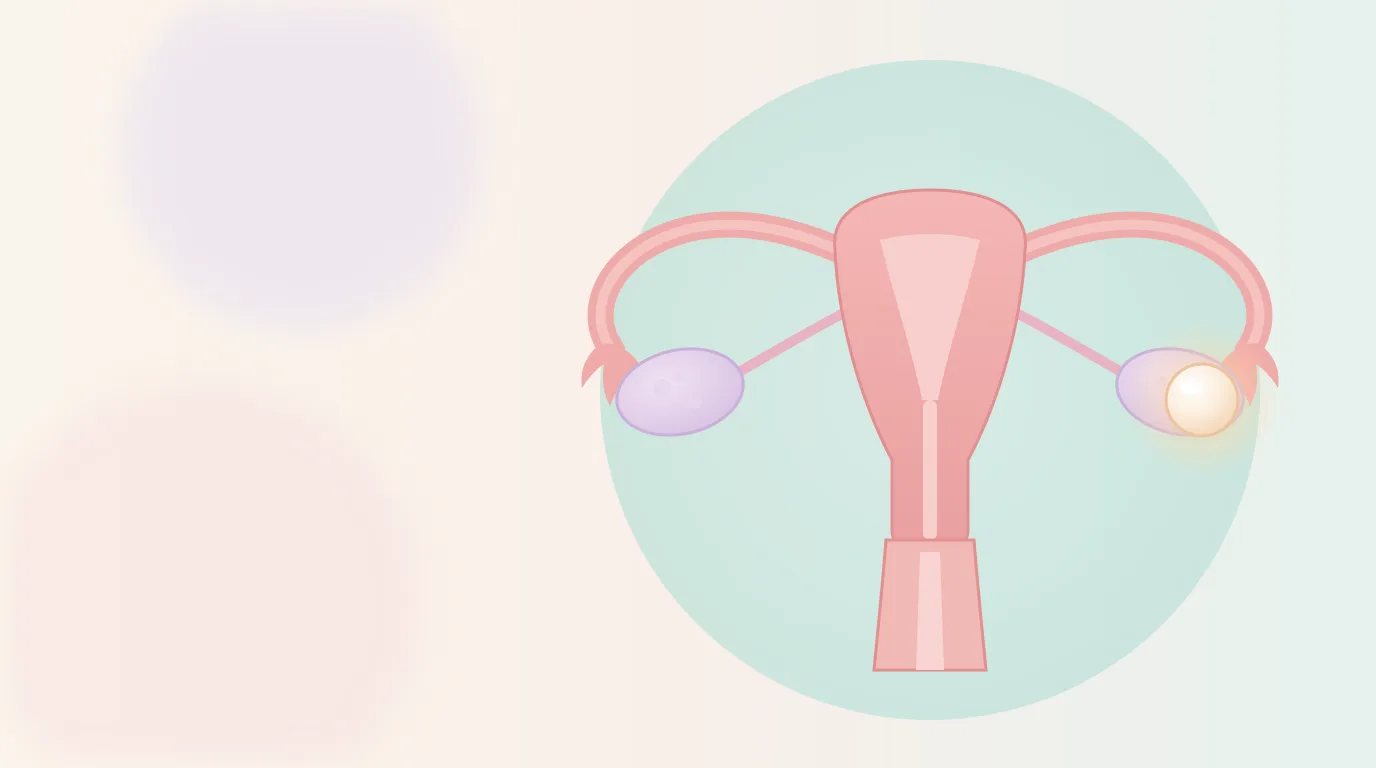
An ovarian cyst is a fluid-filled sac in or on the ovary. Most cysts are harmless "functional" cysts that disappear on their own within 1–3 cycles. Cysts that are large, persistent, painful or look unusual on ultrasound may need further tests and laparoscopic (keyhole) cystectomy, which removes the cyst while preserving the healthy ovary.
What is an ovarian cyst?
An ovarian cyst is a fluid-filled sac that forms in or on an ovary. Ovarian cysts are very common, especially during the reproductive years, and are often found by chance on an ultrasound done for another reason.
What types of ovarian cysts are there?
| Type | What it is | Usual course |
|---|---|---|
| Follicular cyst | A follicle that didn’t release its egg | Usually resolves in 1–3 cycles |
| Corpus luteum cyst | Persists after ovulation; may bleed | Usually resolves |
| Haemorrhagic cyst | A functional cyst with bleeding inside | Usually resolves; can be painful |
| Endometrioma (“chocolate cyst”) | Caused by endometriosis | May need treatment |
| Dermoid cyst (mature teratoma) | Contains tissues such as fat or hair | Usually removed surgically |
| Cystadenoma | Benign cyst from the ovary’s surface cells | Often removed if large |
| Polycystic ovaries | Many small follicles (PCOS), not true cysts | Managed medically |
What symptoms do ovarian cysts cause?
Many cysts cause no symptoms. When they do, symptoms may include:
- Dull or sharp pain on one side of the lower abdomen
- Bloating or a feeling of fullness
- Pain during intercourse
- Changes in periods
- Frequent urination from pressure
Go to a hospital immediately for sudden severe pelvic pain, especially with vomiting, fever, dizziness or fainting. This may be ovarian torsion (twisting) or a ruptured cyst, both of which need urgent treatment.
How are ovarian cysts evaluated?
- Pelvic ultrasound (transvaginal and abdominal): size, wall thickness, internal features and blood flow. Standardised systems such as IOTA / O-RADS help classify risk.
- Blood tests when indicated: CA-125 (especially after menopause or with complex cysts), and other markers in younger women with solid-looking cysts.
- Repeat ultrasound after 6–12 weeks for simple cysts, to confirm they have resolved.
- MRI in selected cases.
How are ovarian cysts treated?
1. Watchful waiting
Simple cysts under about 5 cm in women of reproductive age usually need only a repeat scan. Pain relief is given if needed.
2. Medical treatment
Hormonal pills may be advised to prevent new functional cysts in women who get them repeatedly. Endometriomas may be managed with hormonal treatment (see Endometriosis Treatment).
3. Laparoscopic ovarian cystectomy (keyhole surgery)
When surgery is needed, laparoscopic cystectomy is usually preferred:
- 3–4 small cuts of 5–10 mm
- The cyst is carefully separated and removed, preserving healthy ovarian tissue
- Less pain, a shorter hospital stay and a faster recovery than open surgery
- The cyst is sent for histopathology to confirm its nature
Dr. Mudita Jain Talesra (FMAS, life member of WALS) performs laparoscopic ovarian surgery with a strong focus on ovarian preservation, especially for young women and those planning pregnancy.
4. Emergency surgery
Ovarian torsion needs prompt laparoscopy to untwist the ovary and save it where possible.
Ovarian cysts in pregnancy
Small functional cysts are common in early pregnancy and usually resolve on their own. Larger or persistent cysts are monitored. Surgery, if needed, is typically planned for the second trimester. See Pregnancy Care.
Ovarian cysts after menopause
Any new cyst after menopause is evaluated carefully with ultrasound and CA-125. Many are simple and benign and are monitored. Complex cysts may need surgery, with referral to a gynae-oncology team when indicated.
Why consult Dr. Mudita Jain Talesra?
- MBBS, MS (OBG), FMAS, FICOG, with FOGSI-recognised ultrasound training. MP Medical Council Reg. MP-8475.
- 17+ years of experience; former Professor & HOD (OBG), RKDF Medical College.
- She avoids unnecessary surgery, and when surgery is needed, she preserves the ovary.
Clinic: Mudita Women Health Care Center, Gulmohar Colony, Bhopal. Mon–Fri, 5–8 PM.
This page is for patient education and is not a substitute for a medical consultation.
Sources: RCOG Green-top Guidelines No. 62 (premenopausal) and No. 34 (postmenopausal) on ovarian masses; ACOG Practice Bulletin on adnexal masses; O-RADS ultrasound risk classification.
Need Individual Guidance on Ovarian Cyst Treatment in Bhopal?
Consult directly with Dr. Mudita Jain Talesra at Mudita Women Health Care Center, Gulmohar Colony, Bhopal.
Frequently Asked Questions: Ovarian Cyst Treatment in Bhopal
Do ovarian cysts go away on their own?
Most functional cysts (follicular and corpus luteum cysts) resolve on their own within one to three menstrual cycles. A repeat ultrasound after 6–12 weeks usually confirms this.
When does an ovarian cyst need surgery?
Surgery is considered for cysts that are persistent or growing, cause pain, are larger than about 5–7 cm, look complex on ultrasound, are dermoid cysts or endometriomas causing symptoms, or are found after menopause with concerning features. Sudden severe pain may indicate ovarian torsion, which is an emergency.
Can an ovarian cyst be cancer?
Most ovarian cysts in younger women are benign. The risk is assessed using ultrasound features, age and, when indicated, blood tests such as CA-125. Cysts after menopause are evaluated more carefully.
Is the ovary removed during cyst surgery?
Usually not. Laparoscopic cystectomy removes only the cyst wall and preserves the healthy ovarian tissue, which matters for hormones and fertility. Removing the ovary is considered only in specific situations.
Does an ovarian cyst affect pregnancy?
Most cysts do not affect fertility. Endometriomas and some other cysts may reduce ovarian reserve or cause pain, so a personalised plan is made for women who want to conceive.
What is the recovery time after laparoscopic cystectomy?
Most women go home within 24–48 hours and return to routine activities within 1–2 weeks.