Endometriosis Treatment in Bhopal
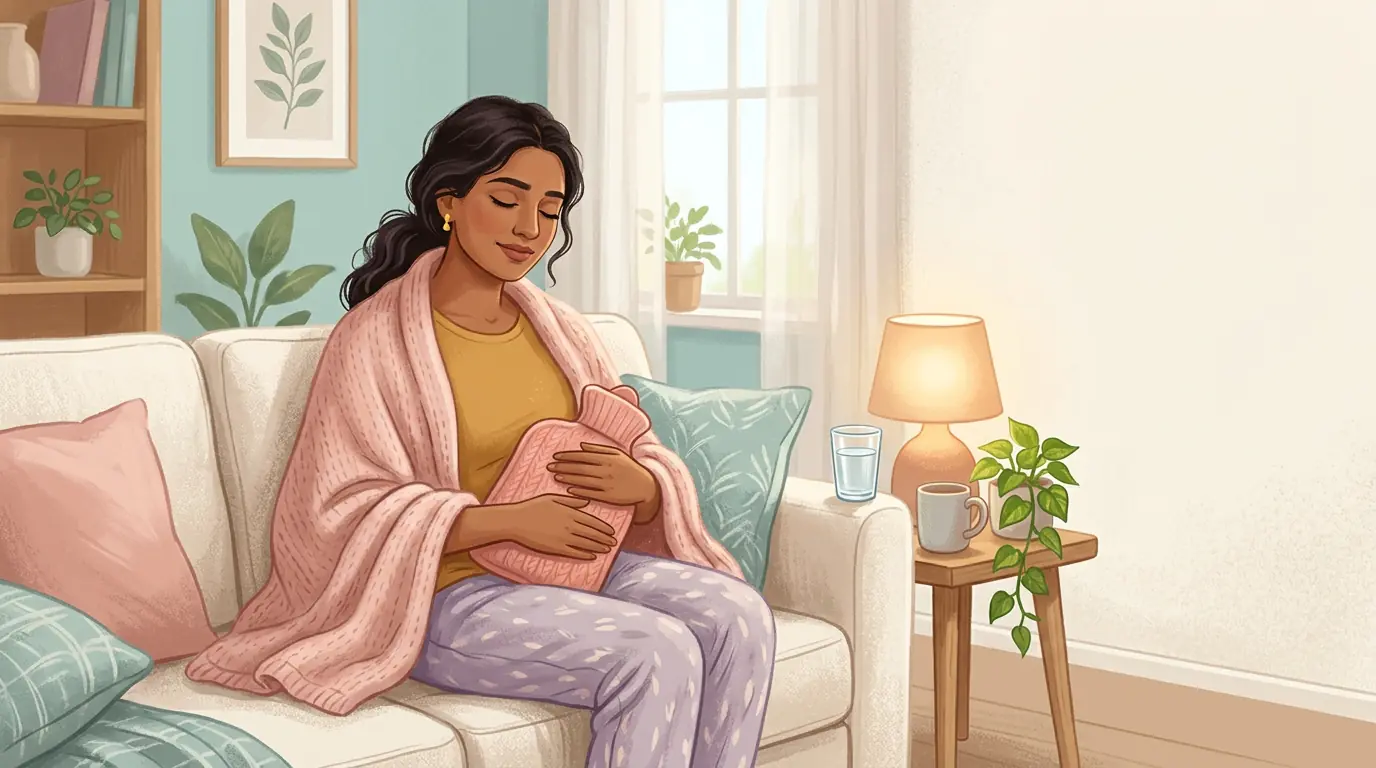
Endometriosis is a condition in which tissue similar to the lining of the uterus grows outside it, on the ovaries, tubes and pelvic walls. It causes severe period pain, chronic pelvic pain, painful intercourse and difficulty conceiving. Treatment includes pain relief, hormonal medicines and, when needed, laparoscopic surgery to remove endometriosis and chocolate cysts while protecting fertility.
What is endometriosis?
Endometriosis is a chronic, oestrogen-dependent condition in which tissue similar to the uterine lining (endometrium) grows outside the uterus. It is commonly found on the ovaries, fallopian tubes, the ligaments behind the uterus and the pelvic lining, and sometimes on the bowel or bladder. This tissue responds to monthly hormones and bleeds, which causes inflammation, pain and adhesions (internal scar tissue).
Endometriosis affects roughly 1 in 10 women of reproductive age, yet the diagnosis is often delayed by years because period pain is wrongly considered “normal”.
What are the symptoms?
- Severe period pain (dysmenorrhoea) that worsens over time
- Chronic pelvic or lower back pain
- Pain during or after intercourse (dyspareunia)
- Painful bowel movements or urination, especially during periods
- Heavy or irregular bleeding
- Difficulty conceiving
- Fatigue and bloating
The severity of pain doesn’t always match the extent of the disease. Some women with mild disease have severe pain, and some with advanced disease have few symptoms.
When should you see a gynaecologist?
Book a consultation if period pain makes you miss school, college or work, painkillers no longer help, intercourse is painful, or you have been trying to conceive without success. Sudden severe pelvic pain with fever, vomiting or fainting needs urgent care.
How is endometriosis diagnosed?
- Detailed history of pain, periods and fertility.
- Pelvic examination.
- Transvaginal ultrasound to detect endometriomas (chocolate cysts) and signs of deep disease.
- MRI pelvis in selected cases, to plan surgery.
- Diagnostic laparoscopy, which can confirm and treat endometriosis in the same procedure.
Modern guidelines allow treatment to begin based on symptoms and imaging, without waiting for surgery to confirm the diagnosis.
How is endometriosis treated?
The plan depends on your main goal: pain relief, fertility, or both.
1. Pain relief
Anti-inflammatory painkillers taken around periods, with heat therapy, exercise and physiotherapy where helpful.
2. Hormonal treatment
These medicines reduce or stop periods, which calms the disease:
- Progestogens (for example dienogest)
- Combined hormonal pills, taken continuously or cyclically
- Levonorgestrel intrauterine system (hormonal IUD)
- GnRH analogues, for short-term use in selected cases
Hormonal treatment controls symptoms well for many women but is not used while trying to conceive.
3. Laparoscopic (keyhole) surgery
Laparoscopy is advised when pain persists despite medicines, cysts are large, the diagnosis is uncertain, or as part of fertility treatment. During surgery:
- Endometriosis deposits are excised or ablated
- Chocolate cysts are removed, carefully preserving healthy ovarian tissue
- Adhesions are released to restore normal anatomy
- Tubal patency can be tested at the same time
Dr. Mudita Jain Talesra holds a Fellowship in Minimal Access Surgery (FMAS) and is a life member of WALS. She performs laparoscopic surgery for endometriosis with a focus on protecting ovarian reserve, which matters for women who want children.
4. Endometriosis and fertility
Depending on age, ovarian reserve (AMH), tubal status and partner factors, options include expectant management after surgery, ovulation induction with IUI, or referral for IVF. See Infertility Evaluation & Treatment.
Treatment options at a glance
| Situation | Usual approach |
|---|---|
| Painful periods, no cyst | Painkillers and hormonal treatment |
| Pain not controlled by medicines | Laparoscopic excision, then hormonal maintenance |
| Large or growing chocolate cyst | Laparoscopic cystectomy, preserving the ovary |
| Trying to conceive | Fertility evaluation; surgery, IUI or IVF as appropriate |
Living with endometriosis
Endometriosis is a long-term condition, but it can be managed. Continuing hormonal treatment after surgery (when not trying to conceive), staying active, eating a balanced diet and keeping up regular follow-up all help reduce recurrence and keep you in control.
Why consult Dr. Mudita Jain Talesra?
- MBBS, MS (OBG), FMAS, FICOG; life member, WALS. MP Medical Council Reg. MP-8475.
- 17+ years of experience in gynaecology and laparoscopic surgery; former Professor & HOD (OBG), RKDF Medical College.
- Pain is taken seriously, with fertility-preserving surgery when it is truly needed.
Clinic: Mudita Women Health Care Center, Gulmohar Colony, Bhopal. Mon–Fri, 5–8 PM.
This page is for patient education and is not a substitute for a medical consultation.
Sources: ESHRE Guideline on Endometriosis (2022); NICE guideline NG73 “Endometriosis: diagnosis and management”; WHO fact sheet on endometriosis.
Need Individual Guidance on Endometriosis Treatment in Bhopal?
Consult directly with Dr. Mudita Jain Talesra at Mudita Women Health Care Center, Gulmohar Colony, Bhopal.
Frequently Asked Questions: Endometriosis Treatment in Bhopal
Is severe period pain normal?
Mild cramps are common, but pain that stops you from going to school or work, needs strong painkillers every month, or is getting worse over time is not normal and should be evaluated. Endometriosis is one possible cause.
How is endometriosis diagnosed?
Diagnosis starts with your symptoms and a pelvic examination. Ultrasound can detect endometriomas (chocolate cysts) and some deep disease, and MRI helps in complex cases. Laparoscopy can confirm the diagnosis and treat it at the same time.
Can endometriosis be cured?
Endometriosis is a long-term condition. Medicines and surgery can control pain very effectively and improve fertility, but the disease can return, so long-term follow-up and, often, hormonal treatment after surgery are recommended.
Can I get pregnant with endometriosis?
Many women with endometriosis conceive naturally. Others need treatment, which may include laparoscopic surgery, ovulation induction, IUI or IVF, depending on age, ovarian reserve and the stage of the disease.
What is a chocolate cyst?
A chocolate cyst (endometrioma) is an ovarian cyst filled with old, dark blood caused by endometriosis. Larger or painful cysts may need laparoscopic removal, done carefully to preserve healthy ovarian tissue.
Does endometriosis stop after menopause?
Symptoms usually settle after menopause, when oestrogen levels fall. Women on hormone therapy after menopause need individual advice.