Advanced Laparoscopic Gynecology Procedures in Bhopal
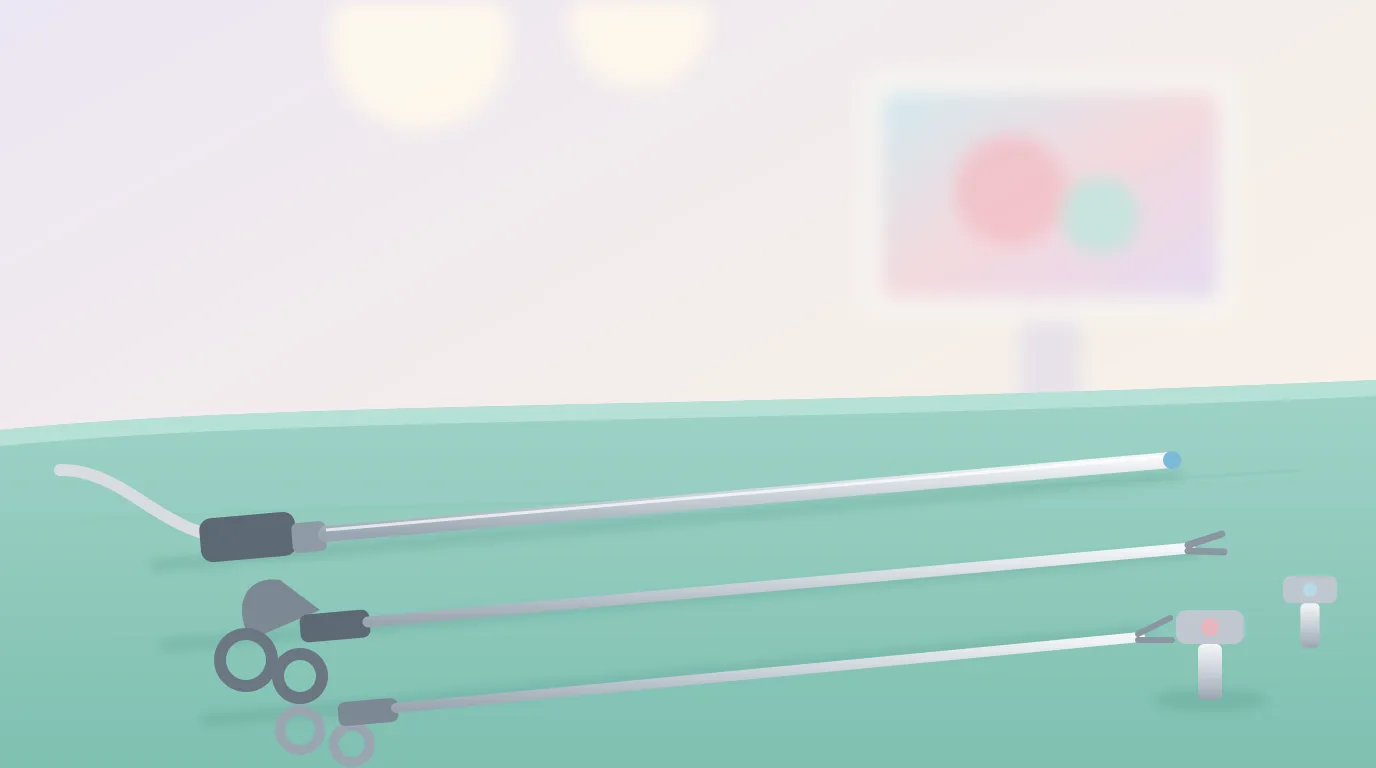
Laparoscopic gynecology—also termed minimally invasive keyhole surgery—uses miniature 5 mm to 10 mm high-definition optical instruments inserted through tiny abdominal incisions to diagnose and surgically treat pelvic pathologies including uterine fibroids, ovarian cysts, ectopic pregnancies, and deep infiltrating endometriosis with minimal blood loss, minimal scarring, and rapid 24 to 48 hour hospital discharge.
Advanced Minimal Access Keyhole Surgery in Bhopal
Over the past two decades, gynecological surgery has undergone a transformative revolution. Traditional open abdominal surgery (laparotomy), which required large 15 to 20 centimeter abdominal incisions, significant tissue retraction, and prolonged hospital bed rest, has been largely superseded by Minimally Invasive Laparoscopic Surgery.
At Mudita Women Health Care Center in Gulmohar Colony, Bhopal, laparoscopic procedures are spearheaded by Dr. Mudita Jain Talesra (MBBS, MS OBG, FMAS, FICOG). Holding an accredited Fellowship in Minimal Access Surgery (FMAS) and over 17 years of surgical experience, Dr. Mudita performs advanced operative laparoscopies utilizing high-definition cameras, precision micro-instruments, and modern bipolar/ultrasonic harmonic energy devices.
What is Laparoscopic Gynecological Surgery?
Laparoscopy is an operative technique where a miniature telescope (laparoscope) connected to a high-definition medical camera system is introduced into the peritoneal cavity through a tiny 5 mm to 10 mm incision at the umbilicus (navel).
To ensure clear visibility and safety, the peritoneal cavity is gently insufflated with medical-grade carbon dioxide gas ($CO_2$), creating an illuminated operative working space. Two or three additional 5 mm micro-incisions in the lower abdomen allow fine micro-instruments to manipulate, dissect, cauterize, and suture internal tissues under 10x to 15x optical magnification.
Core Laparoscopic Procedures Performed
1. Total Laparoscopic Hysterectomy (TLH)
Complete removal of the uterus (and cervix) through tiny keyhole ports for benign indications such as heavy dysfunctional bleeding unresponsive to medication, multiple large uterine fibroids, severe adenomyosis, or chronic pelvic pain:
- Clinical Benefit: Eliminates the painful transverse abdominal incision of an open hysterectomy. The uterine vascular pedicles and ligaments are secured with advanced bipolar vessel sealers, and the specimen is delivered vaginally with laparoscopic vault closure.
- Hospital Discharge: Typically within 24 to 48 hours.
2. Laparoscopic Myomectomy (Uterine Fibroid Removal)
For women desiring fertility preservation who suffer from symptomatic intramural or subserosal fibroids (रसोली):
- Precision Enucleation: The fibroid capsule is precisely incised, the leiomyoma is enucleated from the surrounding healthy myometrium, and the uterine wall is reconstructed using high-tensile multi-layered barbed or braided sutures.
- Enclosed Tissue Retrieval: Excised fibroid tissue is safely retrieved using an enclosed endobag system, preventing peritoneal seeding.
3. Laparoscopic Ovarian Cystectomy
Surgical excision of benign ovarian cysts (including dermoid cysts, serous/mucinous cystadenomas, and endometriomas):
- Ovarian Reserve Preservation: Delicate micro-dissection strips the cyst wall cleanly while preserving the surrounding healthy ovarian cortex and primordial egg follicles—a paramount consideration for young women planning future conception.
4. Advanced Endometriosis & Adhesiolysis
Excision of ectopic endometrial tissue implants, chocolate cysts, and dense pelvic scar tissue (adhesions) binding the ovaries, fallopian tubes, and bowel:
- Restores normal pelvic anatomy, alleviates debilitating menstrual pain (dysmenorrhea) and deep dyspareunia, and significantly enhances spontaneous conception rates.
5. Diagnostic Laparoscopy & Hysteroscopy for Infertility
Comprehensive evaluation of unexplained female infertility:
- Includes direct visualization of the ovaries and peritoneal surfaces combined with chromopertubation (dilute methylene blue dye injection through the cervix) to definitively confirm bilateral fallopian tube patency.
Clinical Comparison: Laparoscopy vs. Traditional Open Surgery
| Surgical Aspect | Minimal Access Laparoscopy | Traditional Open Laparotomy |
|---|---|---|
| Abdominal Incision Size | 3 to 4 tiny punctures (5 mm to 10 mm) | Long abdominal incision (15 cm to 20 cm) |
| Intraoperative Blood Loss | Minimal (typically <50 mL) | Moderate to high (150 mL to 400 mL) |
| Postoperative Pain Levels | Mild to moderate; managed with simple analgesics | Severe; often requires opioid analgesics |
| Hospital Stay Duration | 24 to 48 hours | 4 to 7 days |
| Complete Return to Work | 7 to 14 days | 6 to 8 weeks |
| Risk of Incisional Hernia | <0.1% | 2% to 5% |
| Cosmetic Scarring | Virtually invisible after complete healing | Prominent, permanent abdominal scar line |
The Patient Surgical Journey: Step-by-Step
- Preoperative Assessment: High-resolution pelvic ultrasound, baseline hematology, blood coagulation panel, and pre-anesthetic clearance (PAC) ensure optimum surgical fitness.
- Day of Surgery: The procedure is performed under general anesthesia. Modern multimodal antiemetic and analgesic protocols minimize postoperative nausea and grogginess.
- Immediate Recovery (Hours 0–6): Patients are encouraged to sit upright, perform gentle ankle movements, and sip water once intestinal peristalsis returns.
- Discharge & Postoperative Care: Dressings over the tiny puncture sites are splash-proof. Routine suture removal is usually not required as subcuticular dissolvable sutures or surgical tissue adhesives are utilized.
Need Individual Guidance on Advanced Laparoscopic Gynecology Procedures in Bhopal?
Consult directly with Dr. Mudita Jain Talesra at Mudita Women Health Care Center, Gulmohar Colony, Bhopal.
Frequently Asked Questions: Advanced Laparoscopic Gynecology Procedures in Bhopal
What are the key advantages of laparoscopic keyhole surgery over open abdominal surgery?
Compared to traditional open laparotomy incisions (15 cm to 20 cm), laparoscopic procedures require only 3 to 4 tiny incisions (5 mm to 10 mm). This results in significantly less postoperative pain, negligible blood loss, vastly reduced risk of wound infection and incisional hernia, minimal cosmetic scarring, and a hospital stay typically limited to 24 to 48 hours.
How long does complete recovery take after laparoscopic surgery?
Most patients comfortably walk and tolerate oral fluids within 6 to 12 hours after surgery. Desk-based professional work and light daily activities can generally be resumed within 7 to 10 days, compared to 6 to 8 weeks following traditional open surgery.
Can large uterine fibroids or complex ovarian cysts be safely removed laparoscopically?
Yes. With modern high-definition 3D laparoscopes, advanced electrosurgical energy instruments, and enclosed in-bag tissue morcellation techniques, large intramural fibroids and complex benign endometriotic ovarian cysts can be safely removed while preserving the uterus and healthy ovarian tissue.
What qualifications should you verify before undergoing laparoscopic gynecological surgery?
Ensure your surgeon holds recognized postgraduate surgical qualifications in Obstetrics and Gynaecology (MS/DNB) plus an accredited Fellowship in Minimal Access Surgery (such as FMAS awarded by AMASI) and documented operating experience in advanced pelvic dissections.