Uterine Fibroid Treatment in Bhopal
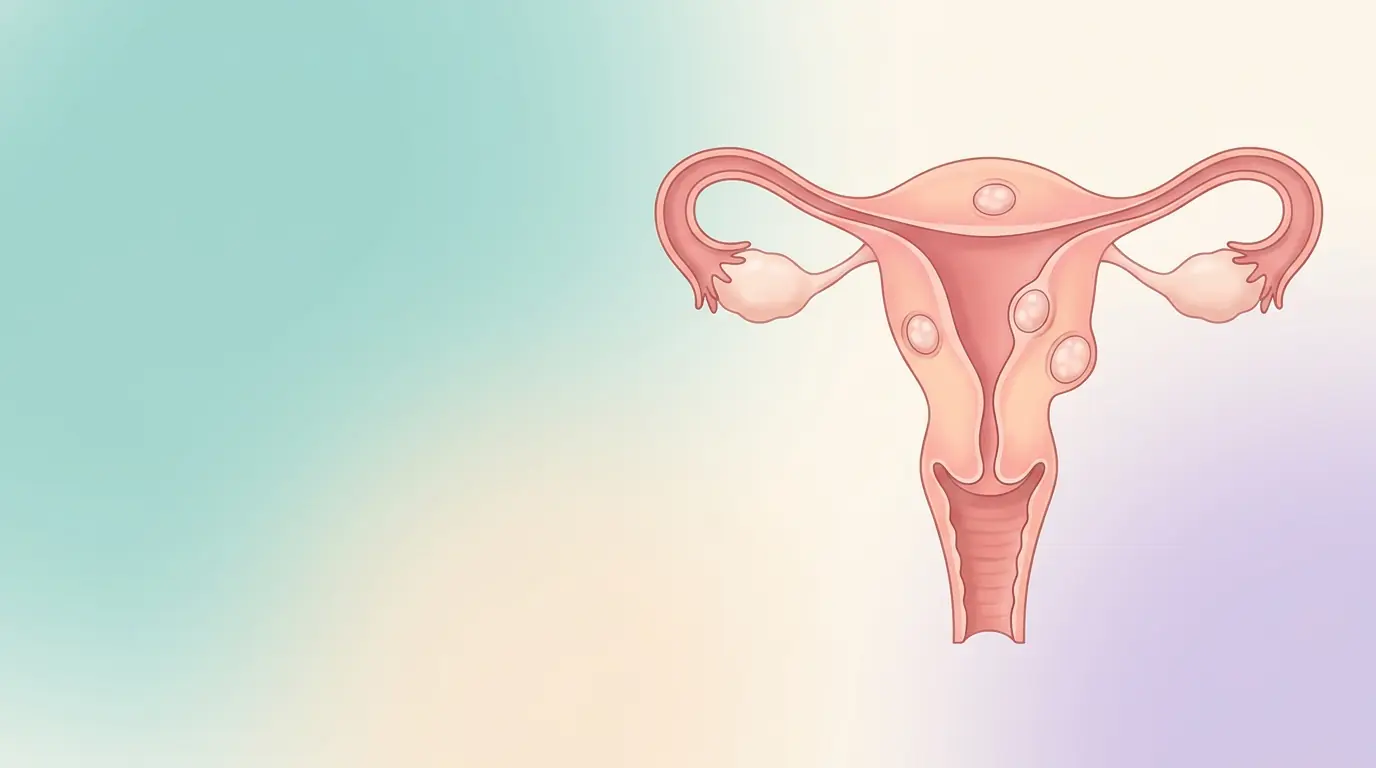
Uterine fibroids (रसौली) are non-cancerous growths of the uterine muscle. Many cause no symptoms and need only monitoring. Fibroids that cause heavy bleeding, pain, pressure or fertility problems can be treated with medicines, or removed by laparoscopic (keyhole) myomectomy while keeping the uterus. Hysterectomy is considered only when family is complete or other options are unsuitable.
What are uterine fibroids?
Uterine fibroids (leiomyomas, रसौली) are benign growths that develop from the muscle wall of the uterus. They are very common: many women develop fibroids by the age of 50, though a large number never know they have them because they cause no symptoms.
Fibroids are described by where they grow:
| Type | Location | Typical effect |
|---|---|---|
| Submucosal | Bulges into the uterine cavity | Heavy bleeding, difficulty conceiving, miscarriage |
| Intramural | Within the muscle wall | Heavy periods, pain, enlarged uterus |
| Subserosal | On the outer surface | Pressure on bladder or bowel, abdominal swelling |
| Pedunculated | Attached by a stalk | Occasional sudden pain if twisted |
What symptoms do fibroids cause?
Symptoms depend on the size, number and position of the fibroids. Common complaints include:
- Heavy or prolonged periods, sometimes with clots
- Anaemia: tiredness, breathlessness, low haemoglobin
- Pelvic pain or pressure, or a feeling of heaviness
- Frequent urination or constipation from pressure
- Abdominal swelling
- Difficulty conceiving or recurrent miscarriage (mainly submucosal fibroids)
- Pain during intercourse
When should you see a gynaecologist?
Book a consultation if your periods have become heavier or longer, you soak a pad every 1–2 hours, you feel tired or breathless (possible anaemia), you notice a swelling in the lower abdomen, or you have been trying to conceive without success. Seek urgent care for very heavy bleeding with dizziness or fainting.
How are fibroids diagnosed?
- Clinical history and pelvic examination.
- Pelvic ultrasound (abdominal and transvaginal): the main test to map the number, size and location of fibroids.
- Blood tests: haemoglobin for anaemia, and other tests as needed.
- MRI pelvis, in selected cases, to plan complex surgery.
- Hysteroscopy, to look inside the uterine cavity if a submucosal fibroid or polyp is suspected.
What are the treatment options for fibroids?
Treatment is personalised. It depends on your symptoms, age, the fibroids’ size and location, and whether you want to have children in future.
1. Watchful waiting
Small fibroids without symptoms are monitored with periodic ultrasound. No treatment is needed unless symptoms develop.
2. Medical treatment
- Medicines to reduce bleeding and pain (for example tranexamic acid and anti-inflammatory medicines), taken during periods.
- Hormonal treatments such as the levonorgestrel intrauterine system (hormonal IUD) or other hormonal medicines, which can control bleeding in suitable women.
- Short-term medicines that shrink fibroids before surgery, or to correct anaemia beforehand.
- Iron supplements to correct anaemia.
Medicines control symptoms but generally do not remove fibroids permanently.
3. Laparoscopic myomectomy (keyhole fibroid removal)
For women who want to keep their uterus, laparoscopic myomectomy removes the fibroids through small cuts of about 5–10 mm. The uterine wall is then carefully repaired in layers. Compared with open surgery, the benefits usually include less pain, a shorter hospital stay, smaller scars and a faster return to normal life.
Dr. Mudita Jain Talesra holds a Fellowship in Minimal Access Surgery (FMAS) and is a life member of the World Association of Laparoscopic Surgeons (WALS). Laparoscopic surgery for fibroids is a core part of her surgical practice.
4. Hysteroscopic myomectomy
Submucosal fibroids inside the uterine cavity can often be removed through the vagina with a hysteroscope (a thin telescope), with no cuts on the abdomen.
5. Hysterectomy
When family is complete and symptoms are severe, or fibroids are very large or numerous, removing the uterus (hysterectomy) gives a permanent solution. It can usually be done laparoscopically. See Laparoscopic Hysterectomy.
Myomectomy vs hysterectomy: which is right for you?
| Myomectomy | Hysterectomy | |
|---|---|---|
| Uterus | Preserved | Removed |
| Future pregnancy | Possible | Not possible |
| Periods | Continue | Stop |
| Chance of new fibroids | Possible | None |
| Best for | Women wanting fertility or to keep the uterus | Family complete, severe or recurrent fibroids |
The decision is always made together, after discussing your priorities, risks and benefits.
Fibroids and pregnancy
Most women with fibroids have normal pregnancies. Sometimes fibroids grow during pregnancy and cause pain, or are linked with miscarriage, preterm labour, abnormal baby position or a higher chance of caesarean delivery. If you have fibroids and are planning a pregnancy, a pre-pregnancy consultation helps decide whether treatment is needed first. See Pregnancy Care.
Why consult Dr. Mudita Jain Talesra?
- MBBS, MS (Obstetrics & Gynaecology), FMAS, FICOG. MP Medical Council Reg. MP-8475.
- 17+ years of gynaecology and laparoscopic surgery experience; former Professor & HOD (OBG), RKDF Medical College, Bhopal.
- A uterus-preserving approach wherever it is safe and appropriate.
- Clear explanation of every option. Surgery is advised only when it is genuinely needed.
Clinic: Mudita Women Health Care Center, E-8, Plot No. G-1/24-25, Gulmohar Colony, Bhopal. Mon–Fri, 5–8 PM.
This page is for patient education and is not a substitute for a medical consultation.
Sources: RCOG patient information on fibroids; ACOG Practice Bulletin “Management of Symptomatic Uterine Leiomyomas”; FOGSI guidance on abnormal uterine bleeding.
Need Individual Guidance on Uterine Fibroid Treatment in Bhopal?
Consult directly with Dr. Mudita Jain Talesra at Mudita Women Health Care Center, Gulmohar Colony, Bhopal.
Frequently Asked Questions: Uterine Fibroid Treatment in Bhopal
Are uterine fibroids cancerous?
Almost never. Fibroids (leiomyomas) are benign growths. A cancerous muscle tumour of the uterus (leiomyosarcoma) is rare. Rapid growth after menopause, or unusual findings on ultrasound or MRI, are reasons for further evaluation.
Do all fibroids need surgery?
No. Small fibroids that cause no symptoms are usually just monitored with an ultrasound every 6–12 months. Treatment is advised when fibroids cause heavy or prolonged periods, anaemia, pain, pressure on the bladder or bowel, or when they affect fertility or pregnancy.
Can fibroids be removed without removing the uterus?
Yes. A myomectomy removes only the fibroids and preserves the uterus. It can often be done laparoscopically (keyhole surgery), or hysteroscopically for fibroids that grow inside the uterine cavity. The choice depends on the number, size and position of the fibroids.
Can I get pregnant after fibroid removal?
Many women conceive after myomectomy. Depending on how deep the fibroids were, the doctor may advise waiting a few months before trying to conceive, and may recommend planning the delivery method in advance.
Will fibroids come back after myomectomy?
New fibroids can develop over time, especially in younger women with many fibroids. Regular follow-up helps detect them early. Fibroids usually shrink after menopause.
How long is recovery after laparoscopic myomectomy?
Most women go home within 1–2 days and return to light daily activity in 1–2 weeks. Full recovery, including lifting and exercise, usually takes 4–6 weeks. Your individual plan will be discussed before surgery.